Expert Skin Care in Singapore
Personalised Skin & Beauty Solutions
Beauty Treatments for Radiant Results
- Home
- Treatments
- CurveLift Sculpting Treatment Singapore
- Non-Surgical Body Contouring Treatment Singapore
- PurifyScalp Detox Treatment Singapore
- All-Inclusive Glow-Up Treatment in Singapore
- Tone & Body Sculpting Treatment Singapore
- Brightening Face Treatment Singapore
- Cryotherapy Skin Repair Treatment Singapore
- Diamonte Anti-Aging Treatment Singapore
- Hair Rejuvenation Treatment Singapore
- Korean Baby Face Therapy Singapore
- Neck & Jaw Lifting Singapore
- Precision Pore Tightening Treatment Singapore
- Rejuve-Lift Eye Treatment Singapore
- RevitaGrow Hair Regrowth Treatment Singapore
- Products
- Gallery
- Our Story
- Blog
- Contact Us

- Aesthetic Clinic in Singapore
- Our Story
- Aesthetic Treatments in Singapore
- PurifyScalp Detox Treatment Singapore
- Non-Surgical Body Contouring Treatment Singapore
- All-Inclusive Glow-Up Treatment in Singapore
- Tone & Body Sculpting Treatment
- Brightening Face Treatment Singapore
- Cryotherapy Skin Repair Treatment Singapore
- Diamonte Anti-Aging Treatment Singapore
- Hair Rejuvenation Treatment Singapore
- Korean Baby Face Therapy Singapore
- Neck & Jaw Lifting Singapore
- Precision Pore Tightening Treatment Singapore
- Rejuve-Lift Eye Treatment Singapore
- CurveLift Sculpting Treatment Singapore
- RevitaGrow Hair Regrowth Treatment Singapore
- Products
- Treatment Booking
- Gallery
- Blog
- Contact Us
- Call Us
- Aesthetic Clinic in Singapore
- Our Story
- Aesthetic Treatments in Singapore
- PurifyScalp Detox Treatment Singapore
- Non-Surgical Body Contouring Treatment Singapore
- All-Inclusive Glow-Up Treatment in Singapore
- Tone & Body Sculpting Treatment
- Brightening Face Treatment Singapore
- Cryotherapy Skin Repair Treatment Singapore
- Diamonte Anti-Aging Treatment Singapore
- Hair Rejuvenation Treatment Singapore
- Korean Baby Face Therapy Singapore
- Neck & Jaw Lifting Singapore
- Precision Pore Tightening Treatment Singapore
- Rejuve-Lift Eye Treatment Singapore
- CurveLift Sculpting Treatment Singapore
- RevitaGrow Hair Regrowth Treatment Singapore
- Products
- Treatment Booking
- Gallery
- Blog
- Contact Us
- Call Us
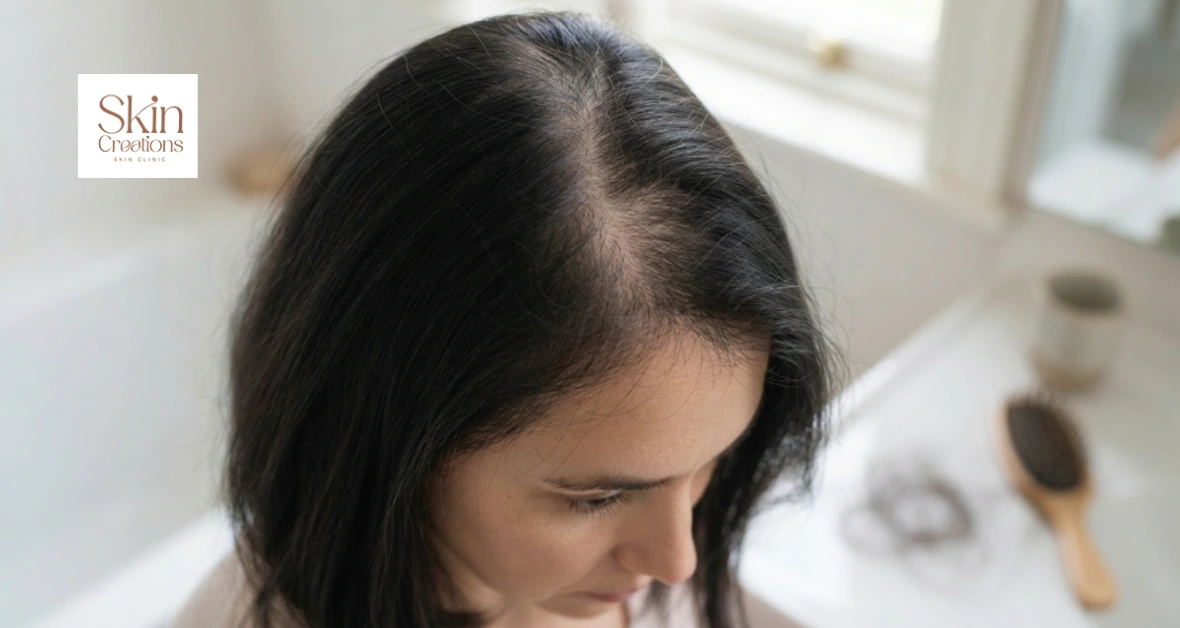
You noticed it before anyone else did. A few extra strands on your pillow this morning. That moment in the shower when you looked down and thought, “Wait… is this normal?” Your part looks a little wider than it used to. Your ponytail feels thinner in your hand.
You’re not imagining it, and you’re not alone. Thinning hair is one of the most common things people quietly worry about, yet it rarely comes up in conversation. It usually happens slowly, which is why it’s easy to miss until you’re already asking questions.
Learning the early signs of thinning hair now gives you more options than waiting does.
Keep reading, and you’ll find the signs of thinning hair most people miss, what’s really causing yours, and the non-invasive treatments available, including options at an aesthetic clinic in Singapore, that can help.
6 Early Signs Your Hair Might Be Thinning
You don’t need a magnifying glass to catch these. Most of them show up in everyday moments, like brushing your hair or catching your reflection in the mirror.
1. More Hair on Your Pillow or in the Shower Drain
A few strands here and there are normal. We all lose some hair every day. But if you’re finding noticeably more than usual, on your pillow, in your brush, or clogging the drain, it’s worth paying attention to.
2. A Widening Part Line
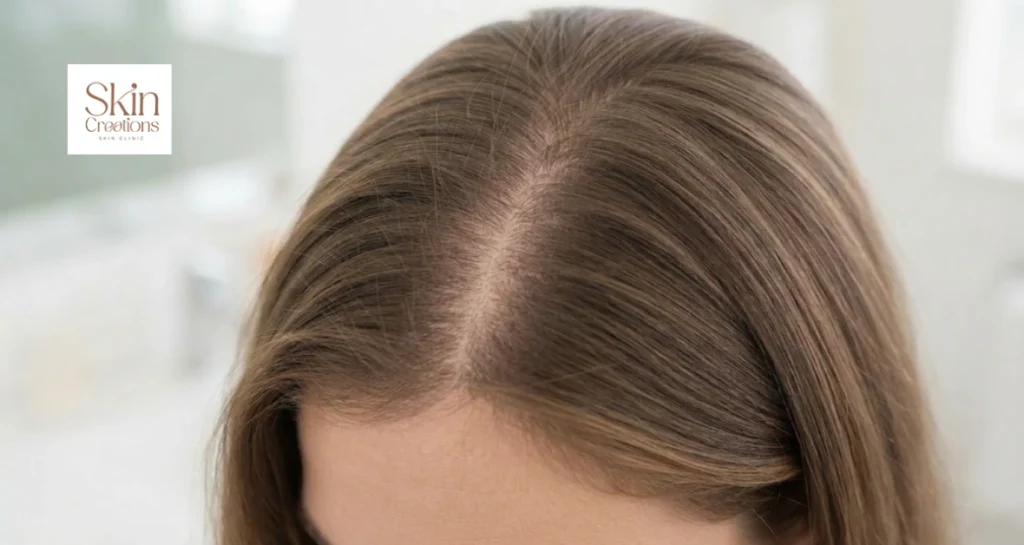
Take a look at your part in good lighting. If it looks wider than it did a year ago, or you can see more scalp peeking through, that’s often one of the first things people notice, especially women.
3. Your Ponytail Feels Thinner
If your hair tie wraps around more times than it used to, or your ponytail feels smaller in your hand, that’s a sign your hair has lost some volume over time.
4. More Scalp Showing Through
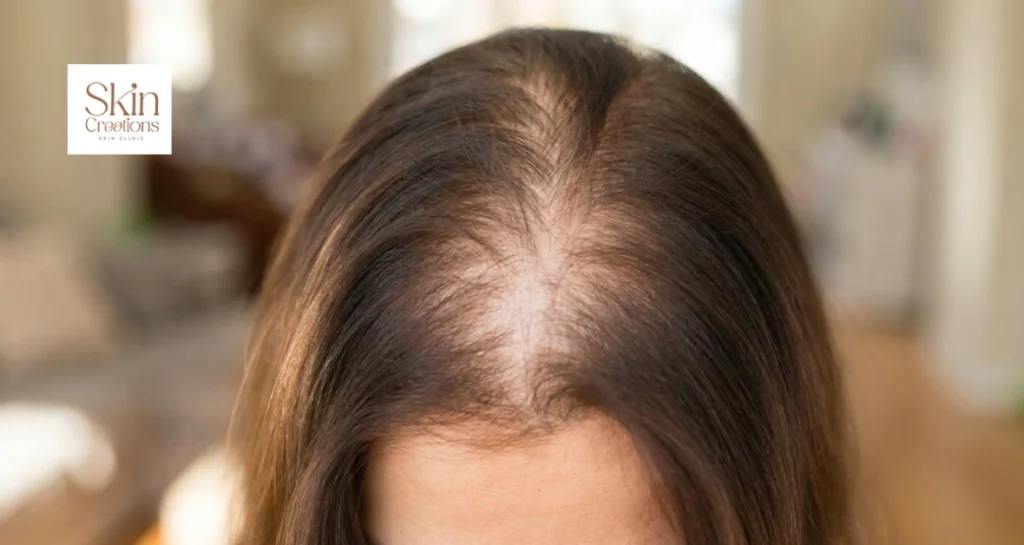
Step outside or stand under a bright light. If your scalp is more visible than before, especially at the crown, that’s worth noting.
5. Slower Hair Growth
If your hair seems stuck at the same length, or trims last longer than they used to, growth may have slowed down, even before any visible thinning shows up.
6. Receding Hairline (Especially at the Temples)
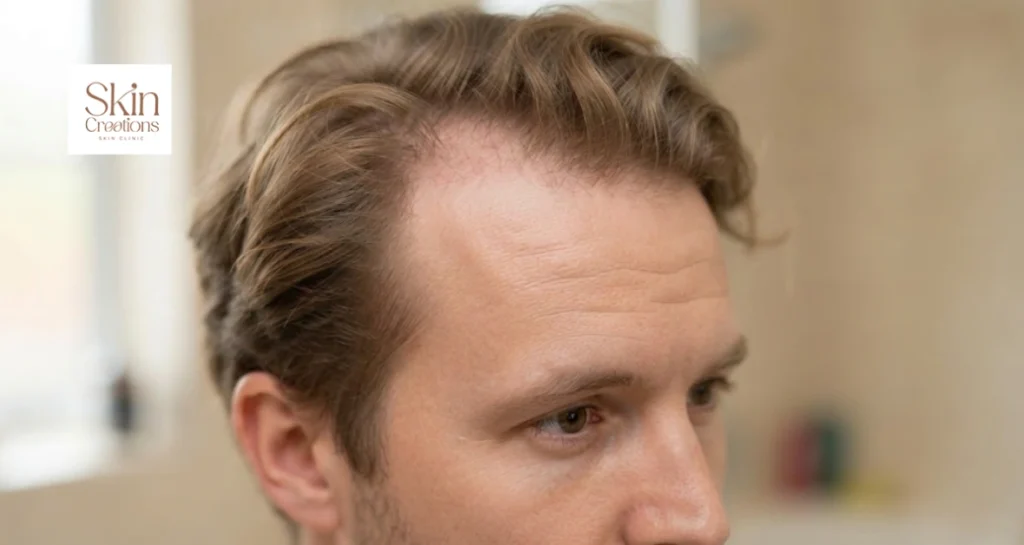
This is more common in men, but it can happen to anyone. If your hairline near the temples has moved back from where it used to sit, it’s usually one of the easier signs to spot.
If a few of these sound familiar, the next step is understanding why it’s happening.
What's Causing Your Hair to Thin?
Thinning hair rarely has just one cause. It’s usually a few things working together. Here are the most common ones.
1. Genetics (Family History)
If your parents or grandparents dealt with thinning hair, there’s a good chance it runs in your family. This type is called androgenetic alopecia, a term for hair loss passed down through genes. It’s one of the most common causes, and it tends to build up gradually over the years.
2. Hormonal Changes
Pregnancy, menopause, and thyroid changes can all shift your hormone levels, and hair often reflects that shift before other symptoms show up. This is why many women notice thinning during or after these life stages.
3. Stress and Poor Sleep
High stress can push hair into a resting phase early, leading to more shedding a few months later. Poor sleep can add to this, since hair repair and growth happen while you’re asleep.
4. Nutrient Deficiencies
Low levels of iron, vitamin D, or protein can slow hair growth or leave strands weaker. This is often one of the more fixable causes, since diet or supplements can help.
5. Harsh Styling or Heat Damage
Tight ponytails, braids, and buns put pressure on hair roots. Frequent heat styling adds to this over time. This type of thinning is called traction alopecia, and it often improves once the pulling or heat stops.
6. Underlying Health Conditions
Thinning hair can sometimes point to something else going on, such as an autoimmune condition or a scalp issue. Hair changes are one of the clues doctors look for, since the scalp can show signs of a problem before other symptoms appear.
7. Ageing
As you get older, the hair growth cycle naturally slows, and some follicles produce less hair over time. It’s a normal part of ageing, though there are still things you can do to support your hair.
Your thinning is likely a mix of a few of these causes, which is useful to know, since the right next step depends on the actual cause rather than a guess.
When Should You See a Specialist?
Most thinning hair builds up slowly, so there’s usually time to try a few things first. But certain signs are worth a closer look sooner rather than later.
- Sudden Bald Patches: A round or oval patch of sudden hair loss is different from gradual thinning and is worth having checked.
- Hair Loss That Happens Fast: Losing a little more hair than usual over months is common. Losing handfuls within a few weeks is not, and it’s worth understanding what’s driving it.
If either of these applies to you, a proper assessment can help you understand what’s happening before deciding on next steps.
Non-Invasive Treatments for Thinning Hair
Once you understand the cause, you can look at treatment options that actually match it. Here’s what’s commonly used.
- Gentle At-Home Care: Brushing gently, avoiding tight hairstyles, and reducing heat styling all help protect the hair you still have.
- Nutrient Support: If a deficiency (iron, vitamin D, biotin) is contributing to your thinning, addressing it through diet or supplements can support regrowth.
- Low-Level Laser Therapy: A non-invasive option that uses gentle laser light to improve blood flow to the scalp. It’s painless, requires no downtime, and is commonly used for early to moderate thinning.
- Clinic-Grade Serums: Professional-strength serums, often containing minoxidil, biotin, or plant extracts, are formulated to work more directly on the scalp than store-bought products.
- Hair-Boosting Supplements: Vitamins like biotin, zinc, and vitamin D are sometimes used alongside topical treatments to support hair growth from within.
In many cases, combining a couple of these approaches works better than relying on just one, since they address different parts of the problem at once. Skin Creations, an aesthetic clinic in Singapore, offers a treatment called RevitaGrow Hair Regrowth, which brings these approaches together in a single plan tailored to your stage of thinning.
Conclusion
Thinning hair can feel bigger than it actually is. Noticing it early, like you’re doing now, already puts you ahead of where most people start.
You don’t need to figure everything out today. A small step, whether that’s adjusting how you style your hair, improving your nutrition, or getting a clearer picture of what’s going on, is enough to start.
Your hair doesn’t define you, but feeling like you is worth chasing. When you’re ready, book a consultation with Skin Creations and start building a plan around what your hair actually needs.
Ready to take the next step? Learn more about hair rejuvenation treatment and see which approach fits your stage of thinning best.
FAQs
1. How much hair loss is normal in a day?
Losing hair daily is normal, it's part of the hair growth cycle. Most people lose up to 100 strands a day, with new ones growing in to replace them. Clumps or noticeably more than that is worth paying attention to.
2. Can thinning hair grow back on its own?
It depends on the cause. Thinning triggered by stress, illness, or a temporary shift in the body often reverses once that trigger passes. Thinning caused by genetics or long-term ageing tends to progress gradually instead, which is why early attention matters.
3. What age does hair thinning usually start?
There's no single age. About 25% of men notice hair loss by age 21, while roughly 40% of women experience some by age 40. Genetics, hormones, and lifestyle all play a role in timing.
4. Is hair shedding the same as hair loss?
Not quite. Shedding is part of the hair's normal cycle, everyone experiences some daily. Hair loss happens when that cycle is interrupted, so fewer strands grow back than what falls out, and that gap eventually shows up as thinning.
5. Can stress-related thinning be reversed?
Usually, yes. Once stress eases and the body settles, the hair cycle tends to reset. Visible regrowth can take a few months, but this type of thinning is generally one of the more reversible ones.
Recent Posts
Contact Details
Contact Details