Expert Skin Care in Singapore
Personalised Skin & Beauty Solutions
Beauty Treatments for Radiant Results
- Home
- Treatments
- RevitaGrow Hair Regrowth Treatment Singapore
- Hair Rejuvenation Treatment Singapore
- PurifyScalp Detox Treatment Singapore
- Tone & Body Sculpting Treatment Singapore
- All-Inclusive Glow-Up Treatment in Singapore
- Non-Surgical Body Contouring Treatment Singapore
- CurveLift Sculpting Treatment Singapore
- Rejuve-Eye Lifting Treatment Singapore
- Precision Pore Tightening Treatment Singapore
- Neck & Jaw Lifting Singapore
- Korean Facial Treatment in Singapore – Baby Face Therapy
- Diamonte Anti-Aging Facial Treatment in Singapore
- Brightening Facial Treatment in Singapore
- Cryo Lifting Facial & Cryotherapy Skin Repair Treatment in Singapore
- Products
- Gallery
- Our Story
- Blog
- Contact Us

- Home
- Our Story
- Aesthetic Treatments in Singapore
- RevitaGrow Hair Regrowth Treatment Singapore
- Hair Rejuvenation Treatment Singapore
- PurifyScalp Detox Treatment Singapore
- Tone & Body Sculpting Treatment Singapore
- All-Inclusive Glow-Up Treatment in Singapore
- Non-Surgical Body Contouring Treatment Singapore
- CurveLift Sculpting Treatment Singapore
- Rejuve-Eye Lifting Treatment Singapore
- Precision Pore Tightening Treatment Singapore
- Neck & Jaw Lifting Singapore
- Korean Facial Treatment in Singapore – Baby Face Therapy
- Diamonte Anti-Aging Facial Treatment in Singapore
- Brightening Facial Treatment in Singapore
- Cryo Lifting Facial & Cryotherapy Skin Repair Treatment in Singapore
- Treatment Booking
- Products
- Blog
- Gallery
- Contact Us
- Call Us
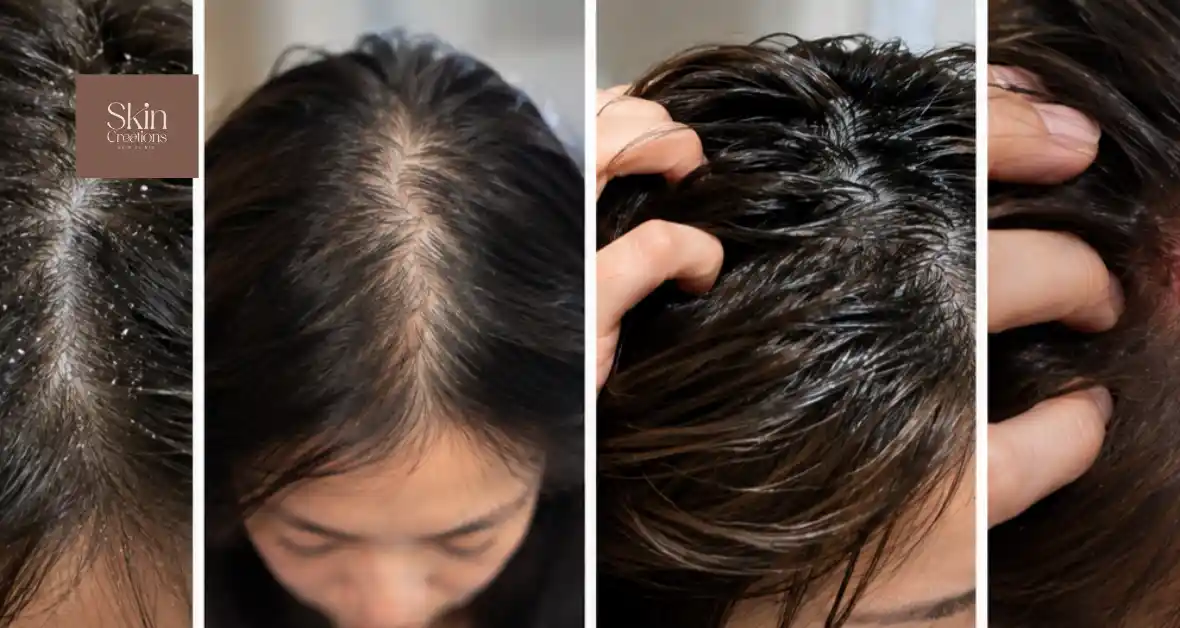
Ever wash your hair in the morning… and by lunchtime, it already looks flat and greasy? Or maybe you can’t stop scratching your head in the middle of a meeting, hoping no one notices?
Chances are, it’s not your shampoo’s fault.
Most of the time, the real problem isn’t your hair. It’s your scalp. Think of it like soil: if the soil underneath isn’t healthy, nothing growing on top of it is going to look good, no matter how many fancy serums you pour on it.
That soil takes a real beating if you live in Singapore. Our weather doesn’t exactly help.
And when your scalp is struggling, it doesn’t just stay quiet about it. Itching, flaking, oiliness, all of it is your scalp showing you real signs of an unhealthy scalp. You just need to know what to look for.
Here’s a quick look before we dive in:
TL;DR: 7 Signs of Unhealthy Scalp
- Itching that won’t quit, even after washing
- Flaky patches (yellow and oily, or white and dry)
- Hair that goes greasy way too fast
- Redness or a scalp that feels tender to touch
- More hair than usual in your shower drain
- A smell that lingers even after shampooing
- Small bumps or sore spots when you touch your head
If even one or two of these sound familiar, keep reading. We’ll walk through what’s really going on, why Singapore makes it worse, and how to improve scalp health for good.
Why Singapore's Climate Causes Scalp Problems
You know that feeling when you step out of a cold, air-conditioned office straight into Singapore’s heat? Your skin practically panics.
That’s not just in your head. It’s a two-part problem, and it starts the moment the heat hits you.
The Hawker Centre Sweat Trap
Sit down for a plate of chicken rice on a hot afternoon, and within minutes, you’re sweating from your scalp too. That sweat mixes with the natural oil (called sebum) that your scalp already makes. Add in dust and pollution from being outside, and you’ve got a sticky layer sitting right on your skin.
That sticky layer has to go somewhere, and it usually ends up sitting on top of your hair follicles, the tiny holes in your scalp that each strand of hair grows out of. Think of them like little pores. When sweat, oil, and dirt build up, these follicles get blocked. A blocked follicle can’t “breathe” properly, and that’s often when the itching, oiliness, or flaking starts.
The Aircon Shock
Now flip it around. You walk into a freezing office or mall, and your scalp goes from hot and sweaty to cold and dry in seconds.
Your skin has a thin outer layer that locks in moisture, kind of like a raincoat for your scalp. Jumping between hot, humid air and cold, dry air over and over stretches that raincoat thin. Once it wears down, moisture escapes, and your scalp ends up dry, tight, or flaky, even if you’re sweating just an hour later.
So in one single day, your scalp can go through both problems: too much oil from the heat, and too little moisture from the aircon. No wonder it’s confused.
7 Warning Signs of an Unhealthy Scalp
Now that you know what your scalp is up against, let’s get into the signs themselves. These are the ways your scalp tries to get your attention, one by one.
1. Itching That Won't Quit, Even Right After Washing
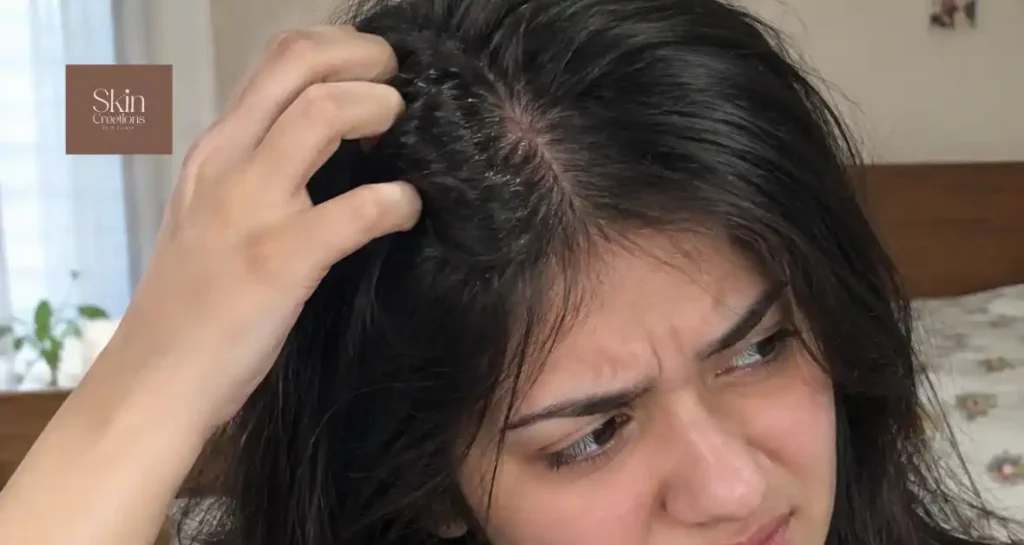
You just washed your hair, and somehow your scalp is already itchy again. That’s not you being impatient. It’s usually a sign that something’s off underneath.
Your scalp naturally has tiny organisms living on it, including a type of yeast called Malassezia. In small amounts, it’s harmless. But mix it with sweat and extra oil (which Singapore’s heat practically guarantees), and it can multiply faster than usual. That triggers irritation, and irritation is what makes you want to scratch. Research from the National Institutes of Health’s PubMed Central has linked this yeast directly to itching and flaking on the scalp.
If the itch sticks around for days, or gets worse instead of better, that’s your scalp asking for help.
2. Flaky Patches, But Not All Flakes Are the Same
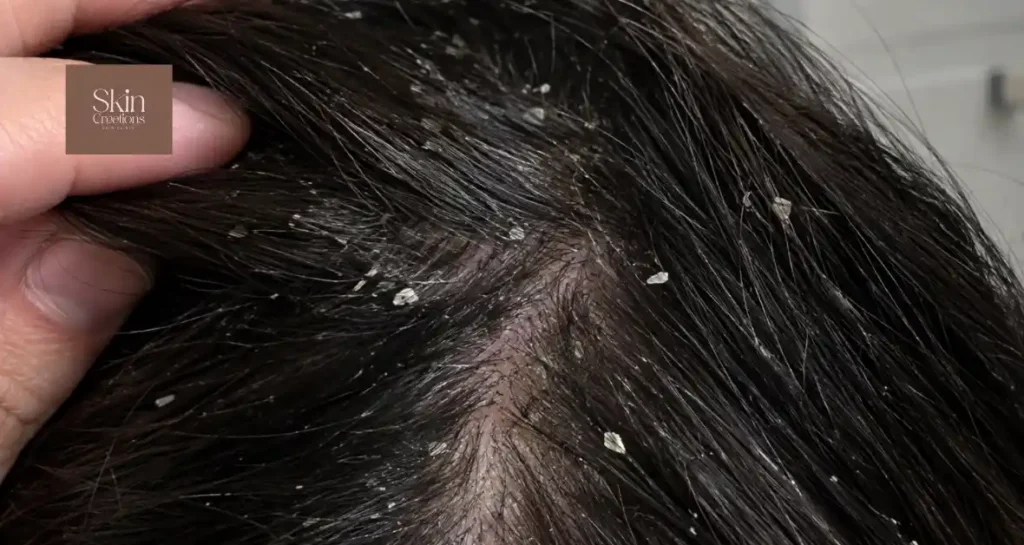
Flaking gets lumped together as “dandruff,” but there are actually two very different kinds, and knowing which one you have changes what you should do about it.
- Yellow, oily flakes usually mean your scalp is producing too much oil, and the flakes are sticking together because of it. This is common dandruff, often made worse by heat and humidity.
- Small white flakes usually mean the opposite: your scalp is dry. This often shows up after time in air-conditioned rooms, where the dry air pulls moisture out of your skin.
Same symptom on the surface, two totally different causes underneath.
3. Hair That Goes Greasy Way Too Fast
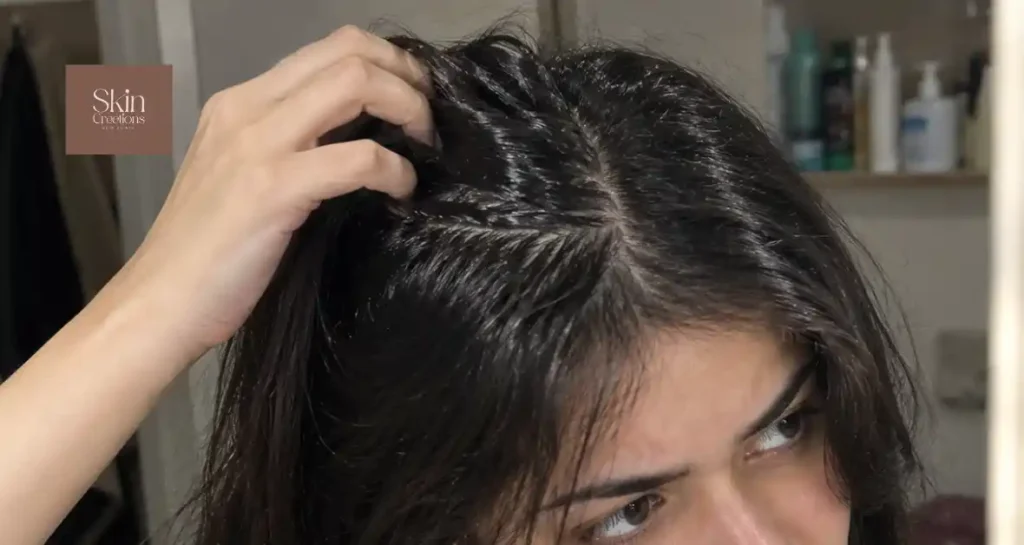
You wash your hair in the morning, and by the afternoon, it’s already flat and stringy. If this happens often, it’s not your hair being “naturally oily.” It’s your scalp overcompensating.
Here’s why. When your scalp gets dry or irritated, it kicks into defense mode and produces extra oil to protect itself. So the very thing that’s supposed to help ends up making your hair look greasy within hours.
4. Redness or a Scalp That Feels Tender to Touch
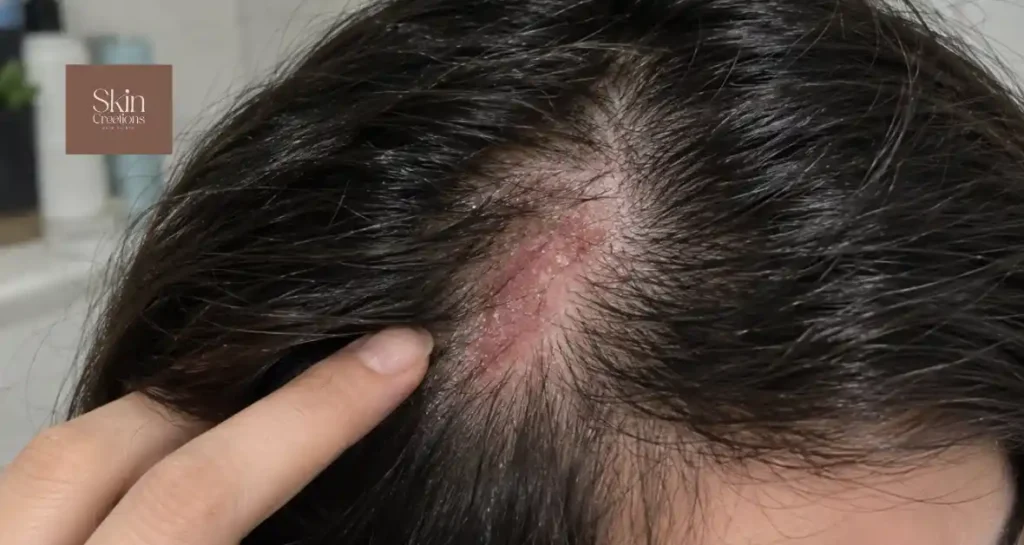
Run your fingers through your hair. Does any part of your scalp feel sore, warm, or sensitive, almost like a mild sunburn? That usually means the skin there is irritated and trying to heal itself.
This can come from clogged follicles, product buildup, or even shampoos with harsh ingredients that strip your scalp’s natural protective layer. Either way, you shouldn’t just push through a tender scalp.
5. More Hair Than Usual in the Shower Drain
Losing some hair every day is completely normal. According to the American Academy of Dermatology, most people shed around 50 to 100 strands daily without even noticing. But if you’re seeing noticeably more hair than that, especially in clumps, your scalp might be part of the problem.
Remember those follicles from earlier? When they stay blocked for too long, they weaken their grip on the hair growing out of them. The hair doesn’t fall out because it’s weak. It falls out because the root underneath it isn’t getting what it needs.
6. A Smell That Lingers Even After Shampooing
You shower, you shampoo, and somehow by the end of the day, there’s still a smell. This usually comes down to a build-up of sweat, oil, and bacteria that a regular wash doesn’t fully clear.
It’s more common than people think, especially in humid weather, and it’s rarely about how often you shower. It’s about what’s happening on your scalp between showers.
7. Small Bumps or Sore Spots You Can Feel
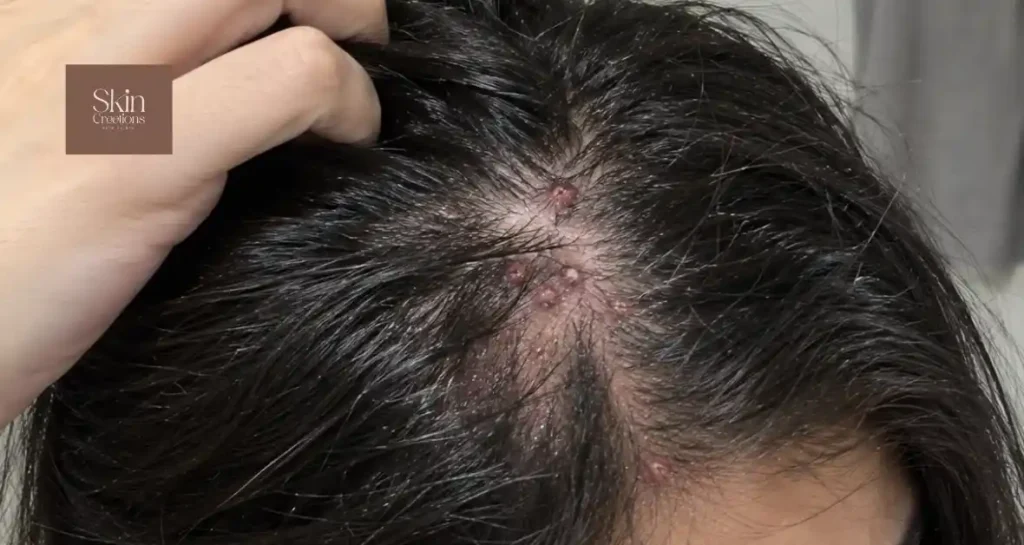
That build-up doesn’t just sit there quietly either. Sometimes it clogs a follicle enough to cause a small, sore bump, often called scalp acne. You might only notice it when you tie your hair up or comb through it.
It can happen from product buildup, sweat that’s never properly rinsed out, or shampoos that are too harsh for your skin. On their own, these bumps aren’t usually serious, but they’re a clear sign your scalp needs a routine change.
Seeing two or three of these on your list? That’s your scalp telling you it’s time for a change, not a reason to panic.
Everything you just read happens everywhere in the world. But local weather and lifestyle add a few extra causes, and if you live in Singapore, they’re worth knowing.
- The sun is stronger than you think. Singapore’s UV index regularly reaches the very high to extreme range around midday, even under cloud cover. UV exposure is one of the biggest drivers of collagen breakdown, and since this skin already has less collagen to begin with, it takes the hit harder than the rest of your face.
- The humidity works against you. Heavy creams feel sticky in this weather, so many people skip proper hydration around the eyes altogether. That skipped step matters more here than it would in cooler, drier weather.
- Aircon dries you out, then the heat outside rubs it back in. Bouncing between cold, dry indoor air and hot, humid outdoor air pulls moisture from your skin all day. Add allergies or haze season, and the eye-rubbing that comes with it adds even more strain on already thin skin.
You’ve probably felt the result, even if you didn’t connect it to wrinkles. Concealer cracking by lunchtime. Makeup settling into lines it never used to sit in. Looking tired in photos on a day you actually slept eight hours. That’s not you doing something wrong. It’s just what happens when thin skin meets Singapore’s climate, day after day.
None of this means the sun or the aircon is the actual cause. It means they speed up something that was already going to happen anyway. And the local factors are the easiest to address.
The 60-Second Scalp Check You Can Do Right Now
You don’t need any fancy tools for this. Just your fingers, a mirror, and about a minute.
Test 1: The Parting Check
Stand in front of a mirror and part your hair down the middle, or anywhere you normally part it. Look closely at your scalp along that line.
A healthy scalp looks pale, smooth, and calm. If you notice pink or red patches, flakes along the part, or an oily shine, your scalp is showing one of the signs we just covered.
Test 2: The Crown Press
Place two fingers on the top of your head, near your crown, and press down gently. Hold for a few seconds, then let go.
Pay attention to what you feel. Soreness or tightness usually points to irritation or tension building up. If your fingers come away oily almost right away, that’s a sign your scalp is overproducing oil, even without you touching your hair all day.
Neither test needs to be perfect or clinical. You’re just checking in, the same way you’d notice if your skin looked tired or your eyes felt dry. If something feels off, that’s worth paying attention to.
How to Improve Scalp Health: Simple Daily Habits
You don’t need a complicated routine to fix most of this. A few consistent changes go a long way.
1. Wash smarter, not just more often
Washing your hair every single day doesn’t automatically mean a healthier scalp. What matters more is how you wash it. Use lukewarm water instead of hot. Hot water feels nice, but it strips away the natural oils your scalp needs, which can trigger even more oil production later. While shampooing, use your fingertips, not your nails, to gently massage your scalp. This clears away sweat and residue without causing tiny scratches that lead to irritation.
2. The shampoo you choose matters just as much
Once you’ve got the washing technique down, the next thing worth checking is what’s actually in your bottle. A lot of shampoos contain sulfates, ingredients that clean well but can be a little too aggressive, taking your scalp’s protective oils along with the dirt. If your scalp tends to get dry, flaky, or sensitive, try switching to a sulfate-free option instead. Give it a few weeks and you’ll likely notice a real difference.
3. Don’t let sweat sit around too long
Washing technique and product choice matter most on an average day, but right after a workout or time spent outside in Singapore’s heat, timing matters more. Try not to let sweat sit on your scalp for hours before you rinse it out. The longer it stays, the more chances it has to settle into your follicles and set off the exact problems we covered earlier, itching, odor, and flaking.
4. What’s happening inside matters too
Your scalp is still skin, and like the rest of your skin, it reacts to what’s going on inside your body. Staying hydrated, eating enough vegetables and protein, and getting decent sleep all support healthy hair growth from the root. This isn’t about being extreme. It’s about being consistent more days than not.
Get even two or three of these habits right, and you’ll likely notice your scalp calming down within a few weeks.
When It's Time for a Professional Scalp Assessment
Most scalp issues improve with the habits we just covered. But sometimes, your scalp needs more than a routine change; it needs someone to actually take a proper look.
It’s probably time to get that look if:
- You’ve stuck with the habits above for 2 to 3 weeks with no real change
- Itching, redness, or bumps are getting worse instead of better
- You’re noticing noticeably more hair fall than usual
That’s usually your scalp telling you it needs more than guesswork.
Here’s the frustrating part about scalp issues: you can be doing everything “right”, the right shampoo, the right washing routine, and still not know what’s actually wrong underneath. That’s because buildup, dryness, and inflammation can all look similar on the surface, but need very different fixes.
That’s exactly where an expert aesthetician comes in. Instead of guessing, they can properly examine your scalp, sometimes with tools that see beneath the surface, and pinpoint exactly what’s causing the problem. You don’t need to wait until things get bad to check in either, sometimes it’s worth getting a professional opinion just for peace of mind, especially if you’ve been dealing with the same issue on and off for a while.
If you want to clear out that buildup and calm your scalp for good, Skin Creations offer PurifyScalp Detox treatment in Singapore, performed by trained aestheticians and designed to deep-clean the scalp, clear clogged follicles, and calm irritation at the source. It's simple and non-invasive, no needles, no surgery, just real care backed by expertise, and a plan made specifically for your scalp, not a generic one-size-fits-all fix.
Conclusion
Most people spend so much time on their hair, the right shampoo, the right conditioner, the right serum, without ever really checking what’s happening underneath it all.
Remember the soil we talked about at the start? This is it. No amount of product on top can fix what’s going wrong underneath. Take care of the soil, and the hair growing out of it takes care of itself.
If you spotted a few of these signs while reading, that doesn’t mean something’s seriously wrong. It just means your scalp has been trying to tell you something, and now you know what to listen for.
Start small. Maybe it’s swapping out a harsh shampoo for something gentler. Maybe it’s rinsing off sweat a little sooner after a workout instead of letting it sit. Or maybe it’s just running through the 60-second check next time you’re in front of a mirror, so you actually know where you stand.
Take care of what’s underneath, and the rest tends to follow.
Ready to actually find out what your scalp needs? Book a scalp assessment with Skin Creations today and get a plan made specifically for you, not a generic fix.
FAQs
Is dandruff contagious?
No, you can't catch dandruff from someone else or pass it on by sharing a comb or pillow. The yeast that causes it, Malassezia, already lives on everyone's scalp in small amounts. Dandruff shows up when that yeast overgrows on your own scalp, usually because of excess oil, humidity, or irritation, not because it spread from another person.
How long does it take to fix an unhealthy scalp?
It depends on what's causing the issue, but most people start noticing small improvements within 2 to 4 weeks of staying consistent with better habits, like the right shampoo and washing technique. More stubborn issues, like ongoing inflammation or heavy buildup, can take a bit longer and sometimes benefit from a professional assessment to speed things up. The key is sticking with it rather than switching things every few days.
Does wearing a cap or helmet daily affect my scalp?
It can, especially in Singapore's heat. Caps and helmets trap sweat and heat close to your scalp, creating a warm, damp environment that bacteria and yeast can thrive in. This doesn't mean you need to stop wearing one, just try to let your scalp breathe when you can, and wash your hair soon after if you've been sweating under one for hours.
Is oiling your scalp a good idea in humid weather?
It depends on your scalp type. If your scalp already tends to get oily or you're prone to buildup, heavy oiling can actually make things worse by trapping sweat and dirt underneath. If your scalp is on the drier side, a light amount can help, as long as it's washed out properly rather than left in for days. When in doubt, less is usually safer than more.
At what age should I start worrying about under-eye wrinkles?
You shouldn't worry, but late twenties to early thirties is when prevention actually starts making a difference. Collagen gradually declines with age, and UV exposure speeds that up, which is why starting sunscreen and a proper eye product before you see a line does more than starting after one shows up.
Recent Posts
Contact Details
Contact Details