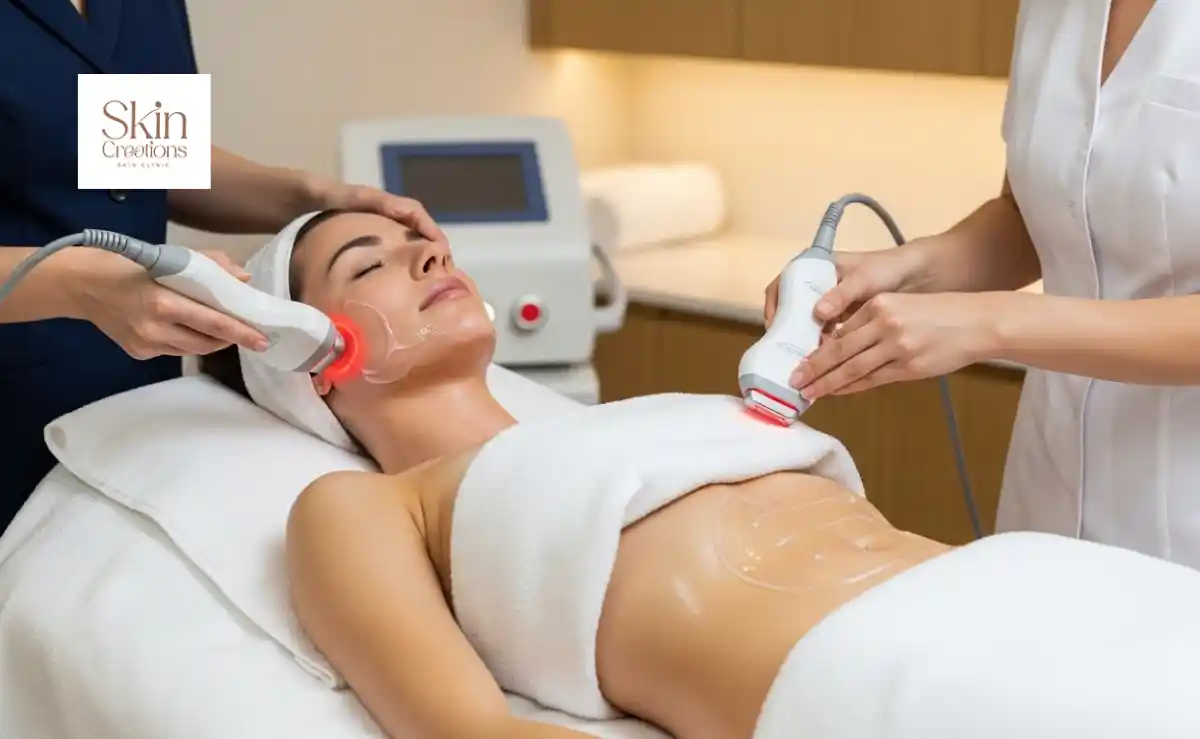
Noticing your skin isn’t as firm as it used to? You’re not alone. As collagen decreases over time, areas such as the face, neck, and body can start to appear less defined. In Singapore, ongoing sun exposure often accelerates these visible changes, making skin laxity a common concern.
Many people explore skin tightening treatments, particularly non-surgical options that aim to restore firmness without downtime. The questions are usually the same: how do these treatments work, and how long do the results last? In this article, we’ll explain how skin tightening supports collagen renewal and what factors realistically affect the longevity of results.
What Is Skin Tightening Treatment?
Skin tightening treatment is a broad term used for non-surgical and minimally invasive procedures that improve skin firmness by stimulating the skin’s natural repair processes.
Rather than removing or cutting skin, these treatments work beneath the surface. Controlled energy or plasma is delivered to specific layers of the skin, causing existing collagen fibres to contract while encouraging the production of new collagen over time. This is why results develop gradually instead of appearing instantly.
Skin tightening treatments are commonly used on areas where laxity tends to appear first, such as:
- The face and jawline
- The neck and under-chin area
- The abdomen and waist
- The arms and thighs
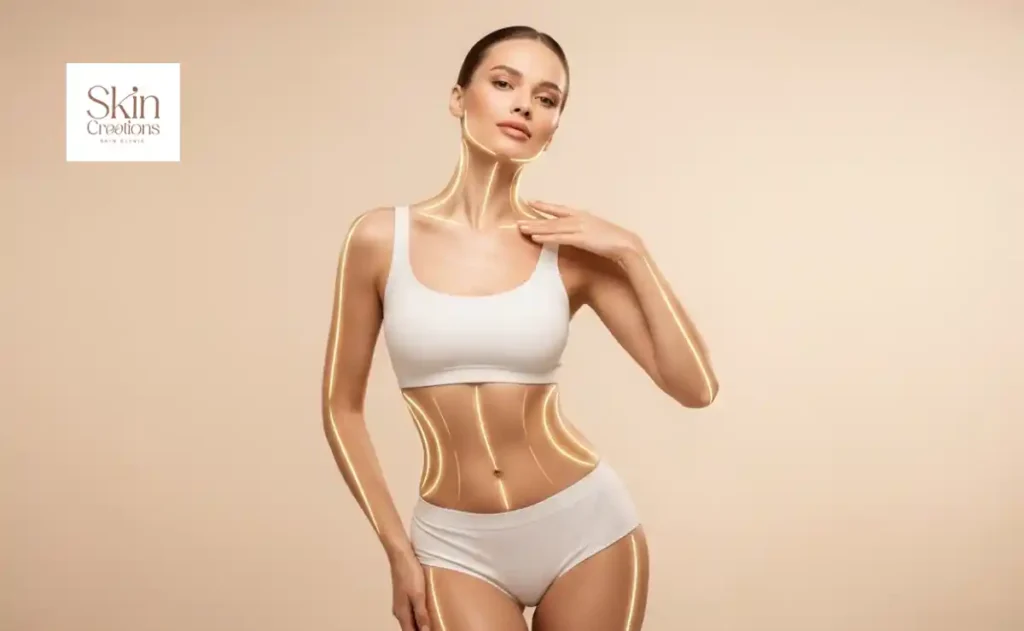
The goal is not dramatic change, but a natural-looking improvement in skin firmness, texture, and overall contour, without surgery or prolonged downtime. Because early skin laxity often appears around the lower face and neck, neck and jaw lifting treatments are among the most common applications.
How Skin Tightening Treatments Work
Skin tightening treatments are designed to improve firmness by working beneath the surface of the skin. Rather than acting on the outer layer alone, they target the structures responsible for skin strength and elasticity.
How Skin Tightening Treatments Stimulate Collagen
Collagen is the protein that gives skin its structure, firmness, and elasticity. From the mid-20s onwards, collagen production gradually slows, which is why skin can start to appear looser and less defined over time.
Skin tightening treatments work by delivering controlled energy into the deeper layers of the skin. This targeted stimulation causes existing collagen fibres to contract and signals the body to produce new collagen. Because this relies on the skin’s natural repair process, visible improvement develops gradually over weeks and months rather than appearing immediately.
While the specific options vary between clinics, the most commonly used skin tightening technologies in Singapore include:
- Radiofrequency (RF) skin tightening
Uses heat to stimulate collagen at deeper skin levels. It is widely used on the face, neck, and body, with little to no downtime. - Ultrasound-based skin tightening
Delivers focused energy at precise depths beneath the skin, making it particularly effective for lifting areas such as the lower face and jawline. - Plasma or fibroblast treatments
Create controlled micro-injuries on the skin’s surface to trigger tightening and a collagen response. These are typically used for smaller or more targeted areas.
Each technology works at a different depth and intensity, which affects how the treatment feels, the level of recovery involved, and how long the results tend to last.
How Long Does Skin Tightening Treatment Last?
Results from skin tightening treatments are not permanent, but they can last a meaningful amount of time. For most non-surgical skin tightening treatments, visible improvement typically lasts between 6 months and 2 years, depending on the treatment method and individual skin factors.
Several factors influence how long results last, including the type of treatment used, the area treated, age and overall skin condition, as well as lifestyle habits such as sun exposure.
Short-Term and Long-Term Results
Some tightening may be noticeable shortly after treatment due to temporary collagen contraction. However, more significant and lasting improvement develops gradually over 2 to 6 months, as the skin produces new collagen.
Once collagen regeneration reaches its peak, results slowly taper as the natural ageing process continues.
Typical Longevity by Treatment Type
While individual outcomes vary, the following timeframes are commonly observed:
- Radiofrequency skin tightening treatment: around 6–12 months
- Ultrasound-based skin tightening treatment: up to 12–24 months
- Plasma-based treatments: results vary widely and are often shorter-term, particularly for smaller areas
Because skin tightening treatments work with the body’s natural processes, maintenance sessions are common and expected, helping to preserve results rather than indicating treatment failure.
Factors That Affect How Long Skin Tightening Results Last
How long skin tightening results last isn’t determined by the treatment alone. Individual skin characteristics and everyday habits play a significant role in how well results hold over time.
1. Age and Skin Quality
Younger skin with mild laxity generally responds more efficiently to collagen stimulation and tends to maintain results for longer. Skin with more advanced sagging can still improve, but the effects may fade sooner as collagen production is already more limited.
2. Sun Exposure in Singapore
Regular exposure to ultraviolet (UV) rays speeds up collagen breakdown. In Singapore’s year-round sun, inconsistent sun protection can significantly shorten the lifespan of skin tightening results, even after effective treatment.
3. Lifestyle and Skincare Habits
Factors such as smoking, poor sleep, and neglecting daily skincare can weaken the skin’s ability to maintain collagen. Consistent moisturisation, proper cleansing, and sun protection help support the skin’s repair process and extend results.
4. Treatment Frequency and Follow-Up
Some skin tightening treatments are designed as one-off procedures, while others work best when performed as a series. Skipping recommended sessions or follow-up treatments can limit how long results last and reduce overall improvement.
Who Is a Good Candidate for Skin Tightening Treatment?
Skin tightening treatment in Singapore tends to work best for people who are beginning to notice changes in skin firmness but do not yet have significant sagging.
It is generally suitable for individuals who:
- Have mild to moderate skin laxity
- Prefer non-surgical or minimally invasive options
- Have realistic expectations about gradual improvement rather than dramatic change
- Are willing to follow maintenance treatments and sun protection habits
Skin tightening treatments are usually less effective for more advanced skin laxity. In such cases, surgical options may provide more noticeable and longer-lasting results.
Conclusion
Skin tightening treatment offers a non-surgical way to improve skin firmness by working with the body’s natural regenerative processes. Outcomes vary, but understanding how these treatments work, and what affects their longevity, helps set realistic expectations. In Singapore, long-term satisfaction often depends less on quick fixes and more on informed decisions, consistent care, and choosing an approach that suits individual skin needs.
A consultation at a reputable aesthetic clinic in Singapore can help clarify which skin tightening options are most appropriate based on skin condition, goals, and lifestyle.
FAQs
1. Does skin tightening treatment hurt?
Most skin tightening treatments cause mild to moderate discomfort, often described as warmth, pressure, or tingling. The sensation varies depending on the technology used and the area being treated, but discomfort is generally well tolerated.
2. How many sessions of skin tightening are usually needed?
Some treatments are designed as single sessions, while others work best as a series of three to six sessions spaced a few weeks apart. The recommended number depends on the technology used and the degree of skin laxity.
3. Is there downtime after skin tightening treatment?
Downtime is usually minimal. Some people experience temporary redness, mild swelling, or sensitivity, which typically settles within a few hours to a couple of days.
4. Does skin tightening work on the body as well as the face?
Yes. Skin tightening treatments are commonly used on areas such as the abdomen, arms, thighs, and knees. Results on the body may take longer to become noticeable compared to the face, as the skin is thicker.
5. Is skin tightening treatment permanent?
No. Non-surgical skin tightening treatments are not permanent. They help slow visible ageing by stimulating collagen, but the skin continues to age naturally. Maintenance treatments and good skincare can help prolong results.