Have you noticed your skin isn’t as firm as it used to be? Maybe your jawline looks softer, your cheeks don’t feel lifted, or fine lines are becoming more visible. These changes happen slowly over time and can feel frustrating, especially with busy routines, stress, and humid weather.
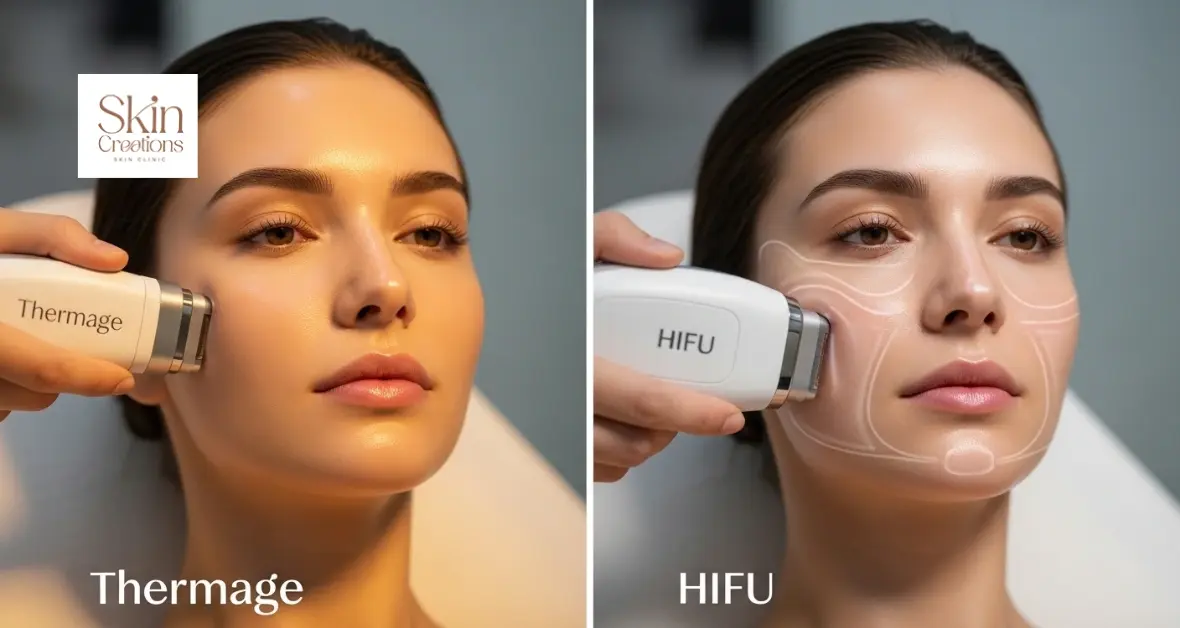
While good skincare helps maintain your skin, it often can’t reach the deeper layers where firmness and structure begin to weaken. That’s why many people turn to treatments like Thermage and HIFU. Both are non-surgical, designed to improve skin tightness and shape, but they work in different ways. In this article, we’ll explore Thermage vs HIFU, highlighting how each treatment works, the results you can expect, and which option may suit your skin best.
What is Thermage?
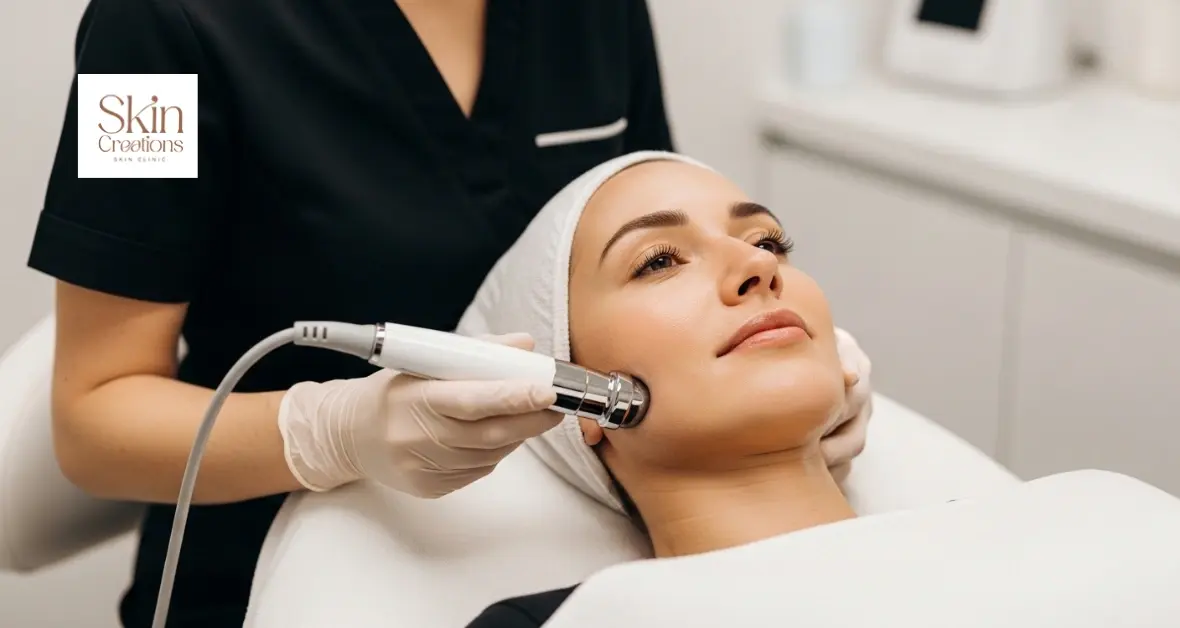
A Thermage treatment uses radiofrequency energy to gently heat the inner layers of your skin. This encourages collagen production, helping the skin become firmer and smoother over time.
A Thermage facial is especially popular because it gives natural results. It doesn’t alter your facial features; it enhances what you already have by improving texture, firmness, and evenness.
Most people need only one session, making it convenient for busy schedules. After the treatment, the skin continues to improve gradually over several months. This makes Thermage a suitable option for early signs of ageing, such as fine lines, mild sagging, or subtle wrinkles.
What is HIFU (High-Intensity Focused Ultrasound)?
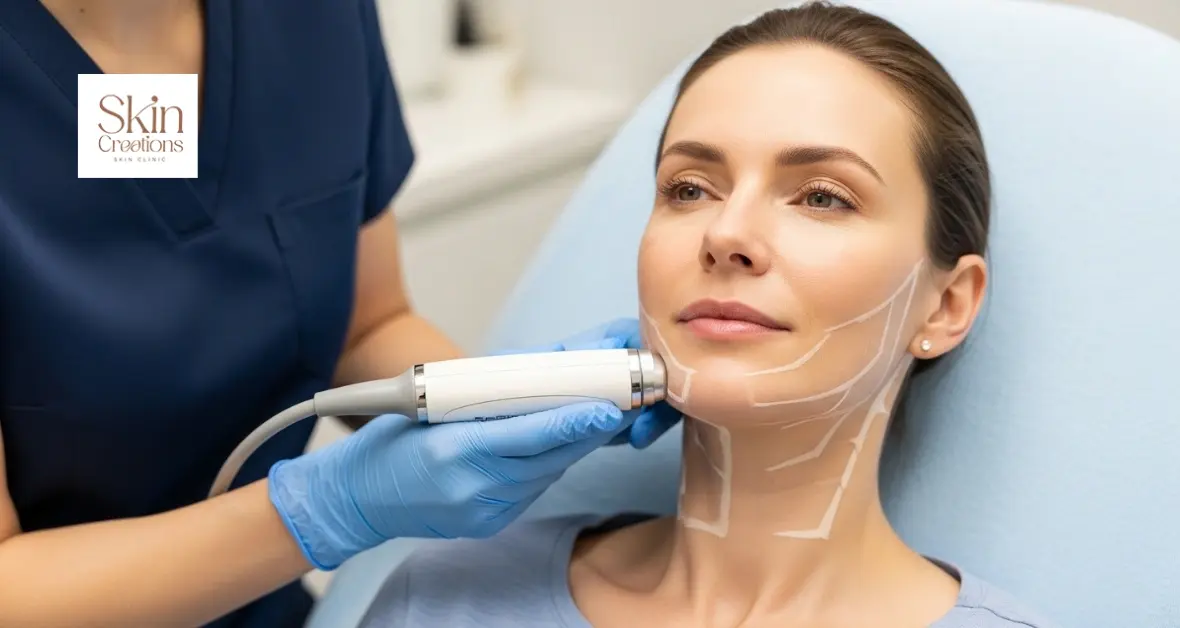
HIFU uses focused ultrasound energy to reach deeper layers beneath the skin. It targets the same foundational layer often addressed in surgical lifting procedures.
Because it works at a deeper level, HIFU tightens and supports the skin from within. This makes it especially effective for areas like the jawline, cheeks, and neck, where sagging may be more noticeable.
The treatment is non-surgical. During a session, you may feel small pulses, warmth, or mild pressure, but most people find it manageable. Depending on your skin and goals, one or two sessions are usually enough to see gradual improvement.
If you’d like extra support for these areas, Skin Creation in Singapore offers Jawline and Neck Lifting treatments that work well alongside HIFU to help your skin look firmer and more defined.
Thermage vs HIFU – Key Differences
1. Depth of Action
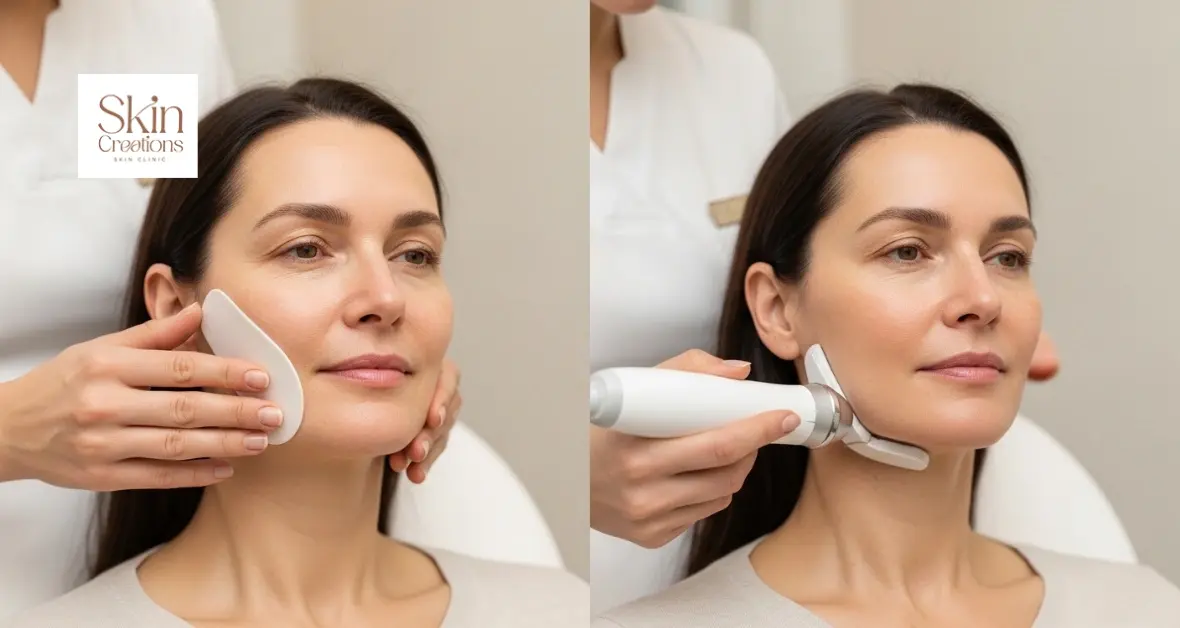
One of the main differences in Thermage vs HIFU is how deep each treatment works. Thermage focuses on the upper layers, improving skin texture and mild sagging. HIFU reaches deeper structural layers, making it ideal for lifting and contouring.
2. Type of Results
Because they target different depths, the results also differ. Thermage gives gradual improvements, leaving skin smoother and subtly refreshed. HIFU creates more noticeable lifting and definition, particularly around the jawline and cheeks.
3. Treatment Experience
Thermage usually feels like a steady warming sensation and is generally comfortable. HIFU may feel more intense in certain areas since the energy penetrates deeper layers.
4. Frequency and Longevity
Thermage is often done in a single session, with optional maintenance treatments later. HIFU may require one or two sessions, depending on goals, and its lifting effects can last longer for some patients.
5. Recovery
Both treatments involve little to no downtime. Mild redness, warmth, or sensitivity may appear but usually settle quickly, allowing you to return to daily activities almost immediately.
Which Treatment Fits Your Skin Concerns?
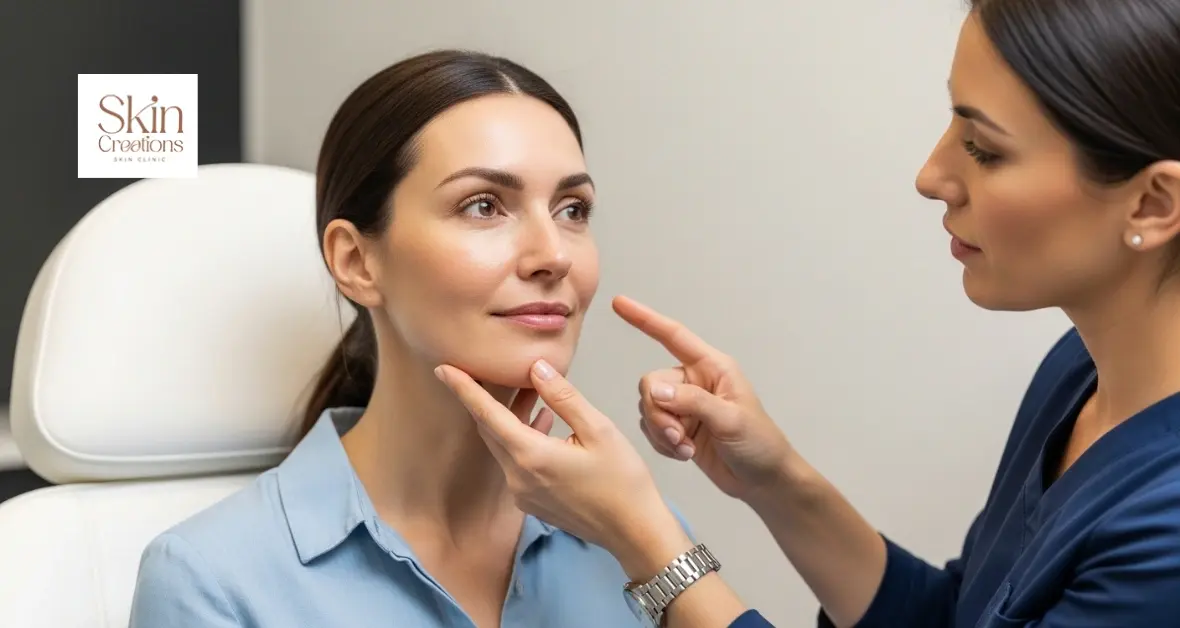
Everyone’s skin ages differently, and what works for someone else might not be right for you. Here’s a simple way to see which treatment suits your skin best:
1. The Wrinkler – Fine Lines and Mild Sagging
If you notice small wrinkles or your skin feels slightly loose, you fit into the Wrinkler category. Thermage is ideal here, gently firming the skin and smoothing out fine lines for a refreshed, natural look.
2. The Sinker – Loss of Volume or Hollow Areas
If your face has lost some fullness and looks a bit hollow, you’re a Sinker. Thermage works well by lifting and tightening without affecting natural fat, helping restore soft, youthful contours.
3. The Sagger – Moderate to Advanced Sagging
If sagging is more noticeable around your jawline or cheeks, you fall into the Sagger group. HIFU is the better option, as it penetrates deeper to lift and tighten loose tissue, giving your face more defined, lifted contours.
By thinking about your skin this way, it becomes easier to match your concerns with the treatment that fits your goals, keeping results natural and satisfying.
Cost of Thermage vs HIFU in Singapore
Cost often plays a role when choosing a treatment. Prices vary depending on the clinic, area treated, and level of customisation.
- Thermage treatment is generally the more premium option, ranging from SGD 2,500 to SGD 5,000+. It can cover larger areas in one session using specialised technology.
- HIFU is usually more affordable per session, around SGD 500 to SGD 2,500+. Multiple sessions may be needed, which can increase the total cost.
It’s best to consider both your budget and desired results rather than focusing solely on the starting price.
Safety and Side Effects
Both Thermage and HIFU are safe when performed by trained professionals.
- After Thermage, skin may appear slightly red or warm, but effects usually disappear within hours.
- After HIFU, some people notice mild redness, swelling, or tenderness, which typically settles quickly.
Choosing a qualified provider ensures both safety and the best possible results.
Can Thermage and HIFU Be Combined?
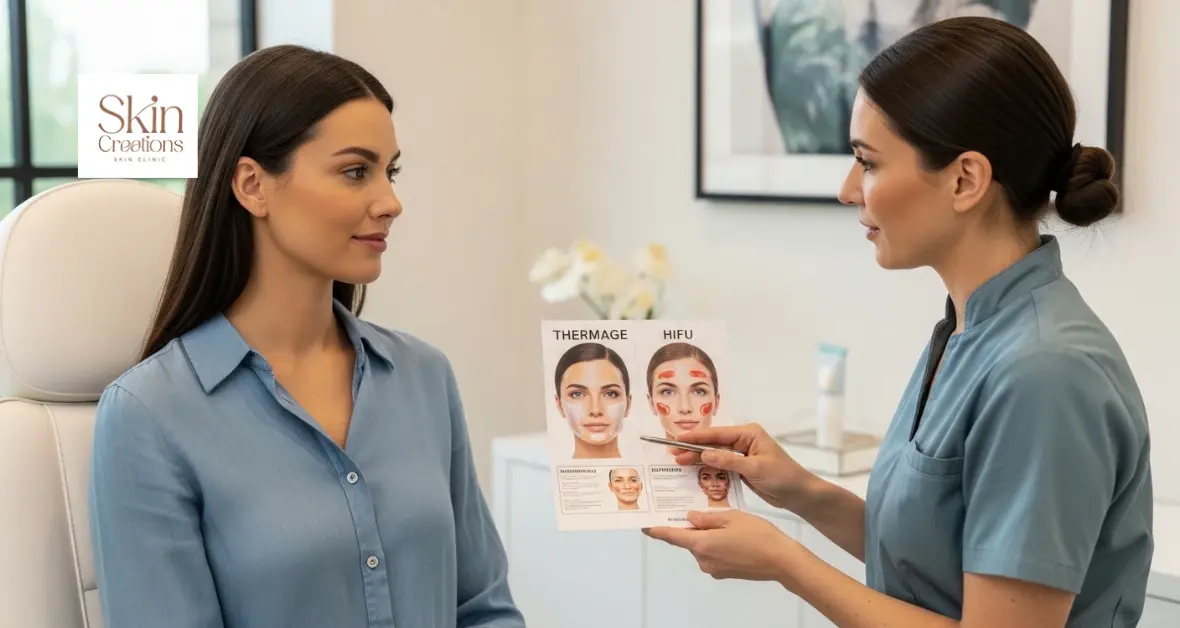
In some cases, the two treatments complement each other. Since they work at different depths, one can support deeper layers while the other improves surface firmness and texture.
However, combining treatments should always be planned carefully with a qualified professional to make sure proper timing and optimal results.
How to Choose Between Thermage and HIFU
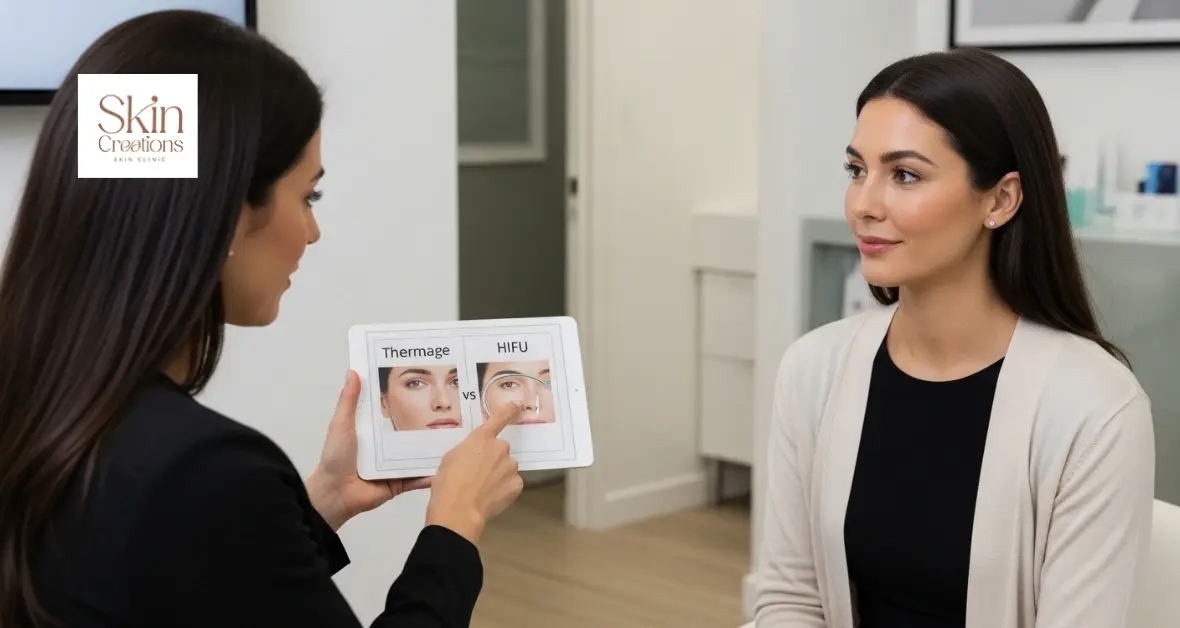
Choose Thermage if:
- You have early signs of aging
- Skin feels slightly loose or shows mild wrinkles
- You want a subtle, natural improvement
- You prefer a more comfortable treatment experience
Choose HIFU if:
- There is visible sagging or loss of definition
- Jawline or cheeks appear less contoured
- You want a more noticeable lifting effect
- You want to target deeper skin layers
If you’re unsure which treatment is right for you, visit Skin Creation, an aesthetic clinic in Singapore. Our team offers personalised consultations and guidance on non-surgical options to lift, firm, and refresh your skin safely, tailored to your goals and lifestyle.
Conclusion
Both Thermage and HIFU are non-surgical treatments that effectively improve skin firmness and overall facial appearance. Thermage suits those with early signs of ageing, fine lines, or mild sagging, offering gentle firming and smoother skin for a subtle, refreshed look. HIFU targets deeper layers, making it ideal for more noticeable sagging, lifting and defining areas like the jawline and cheeks. Choosing the right treatment depends on your individual skin needs, goals, and comfort. Consulting a qualified professional ensures the results look natural while addressing your specific concerns.
FAQs
1. Can I wear makeup after Thermage or HIFU?
Yes. Most people can apply makeup on the same day or the next day. If your skin feels slightly sensitive or warm, use gentle, non-irritating products and avoid heavy scrubs for a few days.
2. Will Thermage or HIFU work for a double chin?
HIFU is often preferred for double chin concerns because it targets deeper layers to lift and tighten the jawline. Thermage can provide subtle skin firming, but it is less effective for significant fat reduction.
3. Is HIFU better than Thermage?
It depends on your skin concerns. Thermage works near the surface for subtle tightening and a natural look, while HIFU targets deeper layers for more noticeable lifting and contouring, especially for sagging areas.
4. How soon will I see results after treatment?
Some improvement may appear immediately, but full results usually develop over several weeks to months as collagen forms and strengthens.
5. Can Thermage and HIFU be combined?
Yes. Since they work at different depths, combining them can enhance overall results, with one lifting deeper tissues and the other improving surface firmness. Always consult a professional to plan the timing and approach.