You’ve been consistent with your workouts. You’re eating well. And yet, that one stubborn area refuses to cooperate.
If this sounds familiar, you’re not alone. Fat deposits around the abdomen, flanks, thighs, or under the chin can be particularly resistant to diet and exercise.
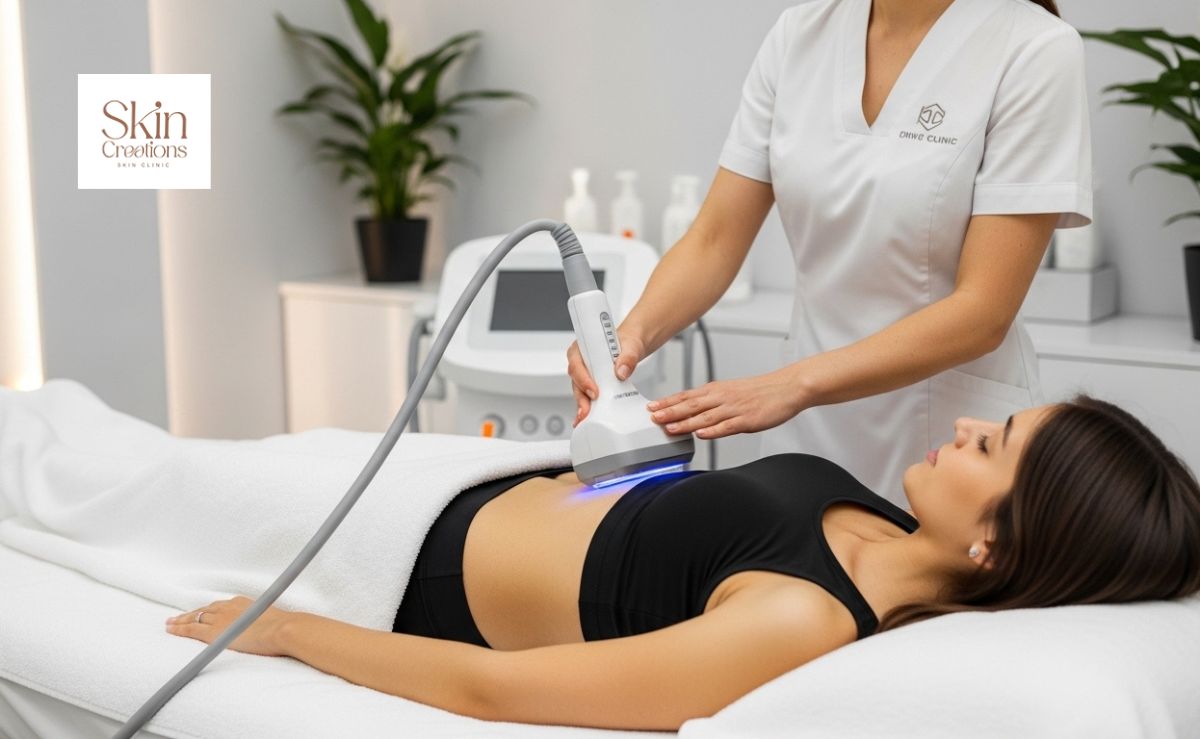
This is where body sculpting comes in. Body sculpting treatments target and reduce localised fat deposits, tighten skin, and refine body shape in specific areas. Unlike weight-loss methods, body sculpting permanently destroys or removes fat cells in treated areas.
This guide breaks down how does body sculpting works, what the science says, which options are most commonly used in Singapore, and what you can realistically expect.
What Body Sculpting Actually Does (and Doesn’t Do)
Most of us don’t realise that the number of fat cells in our body is mostly set by the time we reach adulthood. When you gain weight, those fat cells get bigger. When you lose weight, they shrink. But they don’t disappear.
Body sculpting works differently. Instead of shrinking fat cells, it reduces the number of them in a specific area. Fewer fat cells in that zone means there’s less room for fat to accumulate there in the future, even if your overall weight doesn’t change much.
That’s why people often ask: is body sculpting effective for someone like me? The answer depends on your starting point. It tends to work best for people who are already close to their ideal weight but feel frustrated by one or two stubborn areas. It’s less about becoming smaller and more about creating better balance and proportion.
How Body Sculpting Works: The Key Technologies for Fat Reduction
Not all body sculpting treatments work the same way. Different technologies target fat cells using cold, heat, sound waves, or even intense muscle contractions. Here’s what that actually means.
1. Cryolipolysis (Fat Freezing)
Cryolipolysis works by cooling fat cells to a temperature they can’t survive. Fat cells are more sensitive to cold than skin or muscle, so when they’re exposed to controlled cooling, they gradually break down while the surrounding tissue remains unharmed.
Over the following weeks, your body naturally clears away those damaged fat cells through its lymphatic system. Results aren’t immediate; they usually become noticeable within 1 to 3 months.
In Singapore, fat freezing is one of the most widely offered non-invasive body sculpting options. A session typically lasts between 35 and 60 minutes per treatment area, and many patients achieve 20–25% fat reduction in the targeted area after one session.
Best for: Stubborn pockets on the abdomen, flanks, thighs, arms, and under the chin.
2. High-Intensity Focused Ultrasound (HIFU) for Body Contouring
HIFU targets fat cells beneath the skin using focused ultrasound energy, precise enough to heat and break down fat without affecting the skin’s surface.
Your body then gradually processes and removes the disrupted fat over the next two to three months. Because results appear slowly, changes tend to look natural rather than sudden.
3. Radiofrequency (RF) Body Treatments
Radiofrequency treatments use controlled heat to target fat while also stimulating collagen production in the skin.
In simple terms, this means they can help reduce small pockets of fat and improve mild skin looseness simultaneously.
That’s why RF-based treatments are especially popular for people who have some residual fat and mild skin laxity after pregnancy or weight loss.
4. Laser Lipolysis (Laser Body Sculpting)
Laser body sculpting uses specific wavelengths of light to gently heat fat cells beneath the skin. The heat disrupts the fat cells, and your body gradually clears them over several weeks.
Sessions are relatively quick, often around 25 minutes. Some people prefer this option because it doesn’t involve the suction sensation associated with fat-freezing applicators.
Like most non-invasive treatments, results develop gradually.
5. High-Intensity Electromagnetic Technology (HIFEM)
This approach works differently from other methods. Instead of directly targeting fat with heat or cold, it stimulates powerful muscle contractions, much stronger than what you can achieve through regular exercise.
These intense contractions help build muscle and, as a secondary effect, can encourage some fat breakdown in the surrounding area. It’s commonly used on the abdomen and buttocks to improve muscle definition and reduce fat.
6. Surgical Liposuction
For comparison, surgical liposuction physically removes fat cells using suction through small instruments inserted under the skin.
It offers more dramatic results, many individuals prefer non-invasive options that avoid surgery, anaesthesia, and downtime.
In Singapore, liposuction must be performed by licensed plastic surgeons and is typically done in accredited surgical facilities.
If you’re dealing with stubborn fat that hasn’t responded to diet or exercise, our CurveLift Sculpting Treatment is worth exploring, designed specifically for localised fat reduction, with no surgery and no downtime.
What Happens to Fat Cells After Treatment
No matter which technology is used, the goal is the same: target the fat cells, damage or remove them, and let your body naturally take care of the rest.
Once treated, the fat cells gradually break down and are cleared out by your body over the following weeks. Importantly, those fat cells don’t come back, which is why body sculpting results can be long-lasting.
That said, it’s not a free pass to ignore your lifestyle. If you gain significant weight after treatment, the remaining fat cells in the area can still expand; they just have fewer neighbours to expand with.
How Many Body Sculpting Sessions Will You Actually Need?
This varies by treatment type and individual goals:
- Cryolipolysis: One to three sessions per area, spaced four to eight weeks apart
- RF treatments: Three to six sessions, often weekly, for cumulative effect
- Laser lipolysis: One to two sessions per area
- HIFEM (e.g., Emsculpt): Typically four sessions over two weeks for initial results
- Surgical liposuction: Usually one procedure per area
Non-invasive treatments generally require multiple sessions because the fat reduction per session is less than with surgical removal. However, they involve no downtime, no anaesthesia, and minimal risk, which explains their popularity.
What Results Look Like, and When
With non-surgical body sculpting, results don’t happen overnight. It takes a few weeks for your body to naturally process and remove the treated fat cells. Most people start noticing changes around 4 to 6 weeks after treatment, with full results visible at about three months.
Surgical liposuction gives faster results, though swelling and bruising mean the final look isn’t fully apparent for 6 to 12 weeks.
It’s important to have realistic expectations. Non-invasive treatments can create noticeable and satisfying changes, but they won’t match the dramatic results of surgery. A good clinic will show before-and-after photos, explain what’s achievable for your body, and help you see how the treated area compares to the rest of your shape.
Body Sculpting in Singapore: What to Know Before You Go
If you’ve been researching body sculpting treatments and whether they’re right for you, Singapore is a well-regulated place to explore your options. Non-surgical body sculpting can be offered by qualified aesthetic doctors and, in some cases, trained therapists, depending on the type of device. Surgical procedures such as liposuction must always be performed by accredited plastic surgeons.
The Ministry of Health (MOH) oversees aesthetic practices, and clinics should use devices approved by the Health Sciences Authority (HSA). If a treatment sounds unfamiliar, it’s completely fine to ask the clinic about the device’s approval and safety.
Costs vary depending on the treatment and clinic. Non-surgical sessions usually range from $300 to $1,500+ per area, while surgical options like liposuction start around $5,000 and up, depending on how many areas are treated.
Who Is a Good Candidate?
Non-invasive body sculpting works best if:
- You’re at or near a healthy weight (roughly within 15–20 kg of your ideal weight).
- You have one or two specific areas of stubborn fat that haven’t responded to diet or exercise.
- You have realistic expectations about what can be achieved.
- You’re not pregnant or breastfeeding.
- You don’t have certain medical conditions, like specific blood disorders or metal implants in the area being treated.
People with higher BMI levels may not be the right fit for sculpting treatments just yet; in those cases, a weight management plan is usually the more effective starting point.
If you’re close to your goal weight but struggling with those last areas that exercise alone rarely touches, our Tone & Body Sculpting Treatment addresses exactly that. Tailored to your body goals with a personalised assessment from our team at Skin Creations, most people notice a visible difference within just a few weeks of their first session.
Conclusion
Body sculpting is a safe and effective way to reshape specific areas of the body, but it works best when you go in with realistic expectations. It’s not a shortcut to overall weight loss; it’s a tool to help you refine and contour areas with stubborn fat despite diet and exercise.
If you’re considering body sculpting in Singapore, the first step is a consultation with a qualified aesthetic doctor. They can assess your body, discuss which treatments are most suitable, and guide you on what to expect, so you can make a confident, informed decision.
With the right approach, body sculpting can be a rewarding way to feel more balanced, confident, and comfortable in your own skin.
Ready to take the next step? Book a consultation at our aesthetic clinic in Singapore today and find out which body sculpting treatment is right for you.
FAQs
1. Does body sculpting hurt?
Most non-surgical treatments are well tolerated, with only mild discomfort. Cryolipolysis involves a cold, pulling sensation during the procedure and temporary numbness or tingling afterwards. RF treatments may feel warm or occasionally hot. HIFEM treatments feel like intense, involuntary muscle contractions, unusual but usually not painful. Surgical liposuction requires anaesthesia.
2. Can body sculpting help with visceral fat (belly fat around organs)?
No. Body sculpting treatments only affect subcutaneous fat, the fat layer directly beneath the skin that you can pinch. Visceral fat, which surrounds internal organs, can only be reduced through lifestyle interventions such as diet, exercise, and metabolic management.
3. Is there a risk of weight gain in untreated areas after body sculpting?
Some research suggested that fat could redistribute to untreated areas if patients gained weight post-treatment. However, this isn’t a treatment side effect; it reflects normal fat distribution when caloric intake exceeds needs. Maintaining a stable weight prevents this.
4. How long do body sculpting results last?
Treated fat cells do not regenerate, so the reduction is permanent. Remaining fat cells can still enlarge if weight increases, which can visually diminish results. Most people maintain results long-term with stable weight.
5. Are there any side effects I should know about?
Non-surgical treatments are generally low-risk. Temporary side effects can include redness, swelling, bruising, and numbness in the treated area. A rare but possible complication of cryolipolysis is paradoxical adipose hyperplasia (PAH), where the treated tissue firms and enlarges, estimated in less than 1% of cases, so it’s worth discussing with your doctor before treatment.